Sustainable fashion means choosing eco friendly clothing that protects the planet. It focuses on ethical fashion, fair wages, and safe working conditions. Responsible fashion supports both people and the environment. Fast fashion produces cheap clothes very quickly to follow trends.
This system increases textile waste and fashion industry pollution. It also creates a high carbon footprint and harmful production practices. Slow fashion is the opposite of fast fashion. It promotes quality over quantity and long lasting eco friendly clothing.
Go Ethical fashion also cares about how workers are treated. Fair trade fashion supports transparency and safe workplaces. Sustainable brands value honesty and responsible production. Choosing fashion helps reduce environmental damage. It supports ethical production and lowers climate impact. Even small steps toward green fashion can make a big difference.
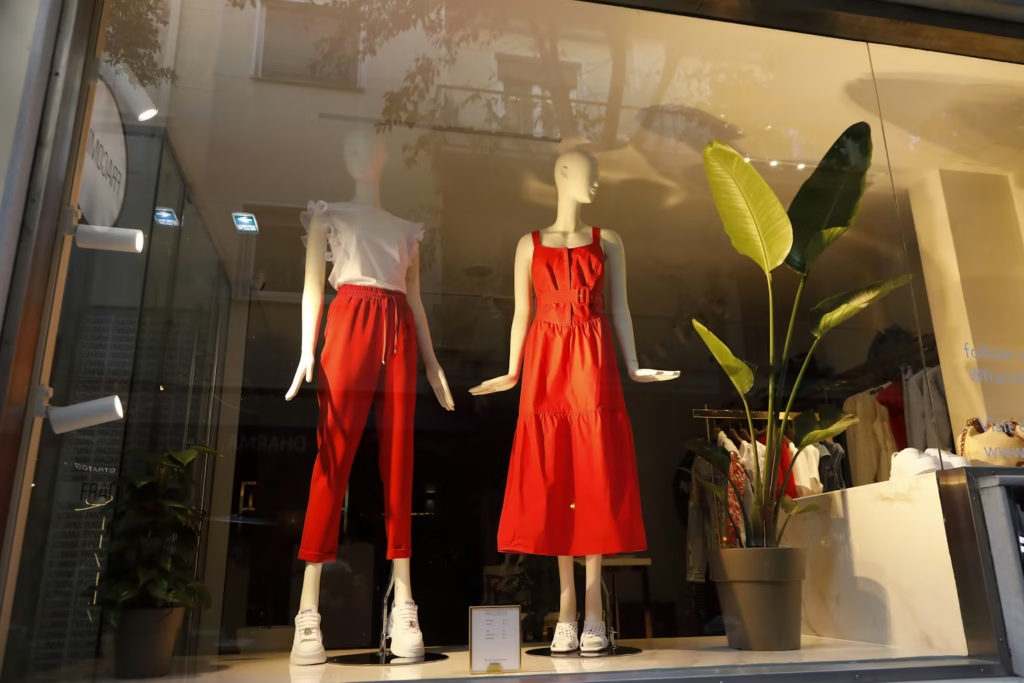
Why Sustainable Fashion Is Important for the Environment and Society
The fashion industry pollution problem is growing every year.
Fast fashion creates huge textile waste and increases carbon footprint. Sustainable fashion helps reduce environmental impact and supports eco friendly clothing.
Clothing production uses a lot of water and harmful chemicals.
These chemicals damage rivers, soil, and wildlife around factories.
Eco friendly fashion focuses on clean production and sustainable textiles. The carbon emissions from global fashion supply chains are very high. Transport, factories, and synthetic fabrics add to climate impact.
Hit
Ethical production also protects garment workers and local communities. Fair wages and safe workplaces are part of fair trade fashion. Ethical fashion supports human rights and social responsibility. Choosing sustainable brands helps build a circular fashion economy. It encourages recycling, reusing, and mindful shopping habits. Conscious consumerism can create real change in the fashion industry.
Sustainable Fashion Terms Every Beginner Should Know
Slow Fashion
Slow fashion focuses on quality over quantity and supports ethical fashion values. It encourages mindful buying and reduces waste from fast fashion. This responsible fashion approach helps protect the environment.
Fair Fashion
Fair fashion supports safe working conditions and fair wages. It promotes ethical production and social responsibility in the fashion industry. Choosing fair trade fashion empowers workers globally.
Vegan Fashion
Vegan fashion avoids animal products like leather, wool, and silk. It supports cruelty free fashion and eco friendly clothing alternatives.
Circular Fashion
Circular fashion keeps clothes in use for a longer time. This system supports a circular economy and sustainable textiles.
Greenwashing
Greenwashing happens when brands falsely claim to be sustainable. They use marketing words like “eco” without real transparency. Always check ethical brand ratings and sustainability certifications.
Carbon Neutral Brands
Carbon neutral brands try to reduce their carbon footprint. They invest in climate action and eco innovation projects this.
How to Identify Ethical and Sustainable Brands
Ethical and sustainable brands focus on transparency and honest communication. They clearly explain their sourcing, labor practices, and environmental impact. Responsible fashion brands usually share detailed sustainability reports.
Always check for trusted sustainable certifications on product labels. Look for signs like organic materials, fair trade fashion, and eco friendly clothing standards. These certifications help prove that the brand follows ethical production. Brand transparency is very important in conscious consumerism. Ethical brands openly share where their clothes are made and who makes them. If a company hides supply chain details, it may not support responsible fashion.
Be careful of greenwashing marketing claims. Some companies use words like “natural” or “eco” without proof. Real sustainable fashion brands provide facts, not just attractive advertising. You can also use ethical brand rating apps and online reviews. These tools analyze carbon footprint, labor conditions, and sustainable textiles. They make it easier for beginners to choose eco friendly clothing.
Choosing Eco Friendly Materials
Sustainable fabrics are better for the planet and your skin.
Eco friendly fabrics reduce water waste and carbon footprint.
Choosi
Organic cotton is a popular eco friendly fabric choice. It uses less harmful chemicals than regular cotton farming. Linen and hemp are strong and biodegradable clothing options.
These sustainable textiles need less water to grow.
Tencel is a soft plant based fabric made from wood pulp. It is known for low environmental impact production. Many eco conscious brands use Tencel in green fashion collections.
Recycled polyester is made from plastic waste like bottles. It helps reduce landfill waste and supports circular fashion. This fabric is common in sustainable activewear and outerwear. When shopping, always check fabric labels carefully. Look for eco friendly materials and sustainable certifications.
Building a Sustainable Wardrobe for Beginners
A sustainable wardrobe starts with a capsule wardrobe idea.
This means keeping fewer clothes that mix and match easily.
It supports minimalist fashion and reduces overconsumption. Focus on buying timeless fashion pieces instead of trendy items.
Classes This helps create a smart and eco friendly closet.
Pick neutral colors that work in many outfit combinations. This makes your minimalist closet more flexible. You will need fewer clothes but still look stylish.
Before buying new items, check what you already own. Try restyling old outfits in creative ways. This builds a strong sustainable wardrobe without extra spending.
Invest in durable fabrics like organic cotton or linen. These are better for the planet and your skin. Choosing eco friendly materials supports ethical fashion. Avoid impulse shopping and fast fashion sales. Plan your purchases with a conscious mindset. This slow fashion lifestyle.
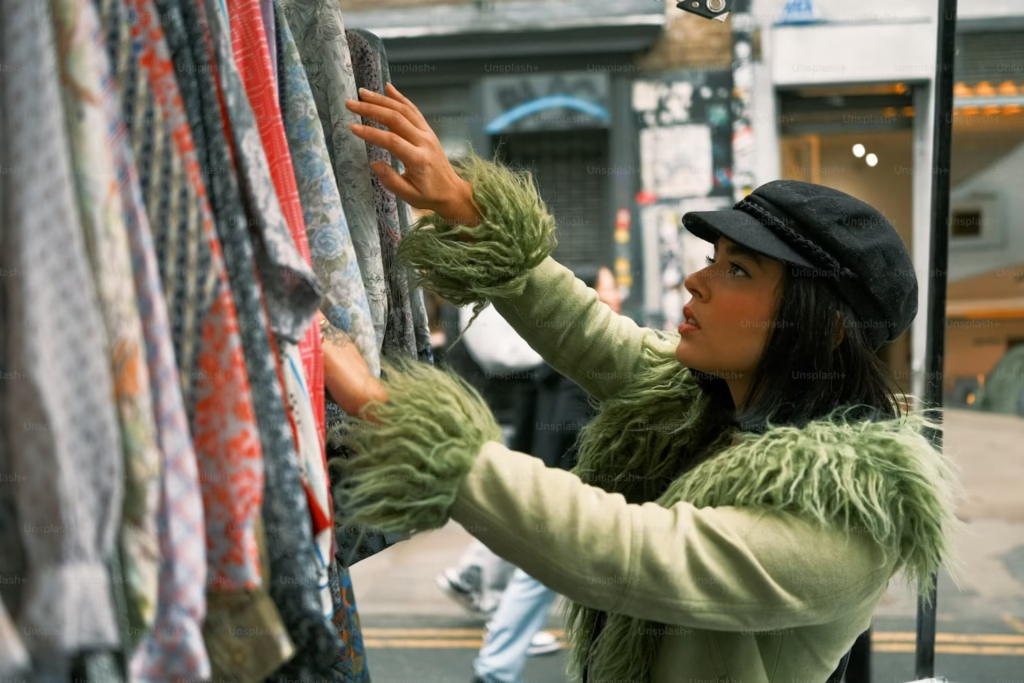
Is Sustainable Fashion Expensive? Budget Friendly Ethical Shopping Tips
Many people think sustainable fashion is always costly.
However, the idea of cost per wear mom. When you buy quality pieces, you reduce waste and save money.
Choosing affordable sustainable brands helps start
Look for ethical fashion labels that offer seasonal sales and transparent pricing. Supporting slow fashion brands can be smart and practical.
Three and second hand fashion are great low cost options.
Pre loved clothing reduces textile waste and supports circular fashion. Online resale apps make ethical shopping easy and accessible.
Clothing rental services are becoming popular in conscious consumer culture. You can enjoy trendy outfits without supporting fast fashion production.
Shopping from local sustainable brands also supports fair trade fashion. Local production reduces transportation emissions and promotes ethical labor. Small changes in buying habits can create a responsible fashion lifestyle.
The Future of Sustainable Fashion: Trends to Watch
The future of sustainable fashion is moving toward a circular fashion economy. Brands are now focusing on eco innovation and reducing textile waste. This shift supports a more responsible and green fashion industry. Circular economy models help extend the clothing lifecycle. Many companies are introducing take back programs and recycling systems.
Technology is also changing sustainable fashion trends. Digital fashion, 3D sampling, and smart textiles reduce fabric waste.
These innovations lower carbon footprint and improve ethical production.
Sustainable beauty and cruelty free fashion are growing together.
Consumers now prefer vegan fashion and transparent supply chains. Ethical brand transparency is becoming a strong buying factor. Government policies and climate awareness are shaping the industry. More brands are sharing sustainability reports and fair trade practices.
Conclusion
Embracing sustainable fashion as a beginner is a small but powerful step toward a greener future. By choosing eco-friendly materials, supporting ethical brands, and rethinking consumption habits, individuals can reduce waste and environmental impact. Simple actions like thrifting, repairing, and mindful shopping make a meaningful difference. Sustainable fashion is not just a trend but a lifestyle choice that promotes conscious living. Every thoughtful decision helps protect our planet while staying stylish and responsible.
FAQ
What is sustainable fashion?
Clothing that is environmentally friendly and socially responsible.
How is sustainable fashion different from fast fashion?
Fast fashion is cheap and mass produced, while sustainable fashion focuses on eco friendly and ethical practices.
Why is sustainable fashion more expensive?
It involves higherquality materials and fair labor practices, which cost more.
Can sustainable fashion be trendy?
Yes, sustainable fashion can be stylish and follow trends, just with a focus on longevity and ethics.
What is the impact of sustainable fashion on the environment?
It helps reduce waste, lowers carbon footprint, and conserves natural resources.




Leave a Reply