
During Ramadan, your eating schedule changes from Suhoor to Iftar. This shift can affect skin hydration and overall skin health.
That is why a proper Ramadan diet for skin is very important. Fasting can reduce water levels in the body. Low hydration may cause dry skin, dull complexion, and tightness. Choosing hydrating foods helps maintain glowing skin during Ramadan.
Your skin needs nutrients to stay firm and smooth. Collagen production depends on protein, vitamins, and healthy fats. Skin friendly meals support elasticity and natural radiance. Balanced meals at Suhoor and Iftar protect the skin barrier. Good nutrition improves skin repair and reduces breakouts. Healthy eating during fasting keeps your complexion fresh and bright.
How Fasting Influences Skin Hydration and Elasticity
During fasting, the body loses water for many hours. This can cause dry skin and dehydration. As a result, the skin may look dull and less fresh.
When hydration levels drop, the skin barrier becomes weak. A weak barrier can lead to irritation and sensitivity. That is why fasting and skin health are closely connected. Fasting may also affect collagen production in the skin. Collagen is important for skin elasticity and firmness. Low hydration can make fine lines more visible.
Oil production can also change during Ramadan. Some people notice more breakouts or clogged pores. These changes are common during fasting skin care routines. However, fasting does not always harm the skin. With proper nutrition and hydration, skin glow can be maintained. A balanced Ramadan diet supports elasticity and healthy skin texture.
Hydrating Foods to Prevent Dry & Dehydrated Skin
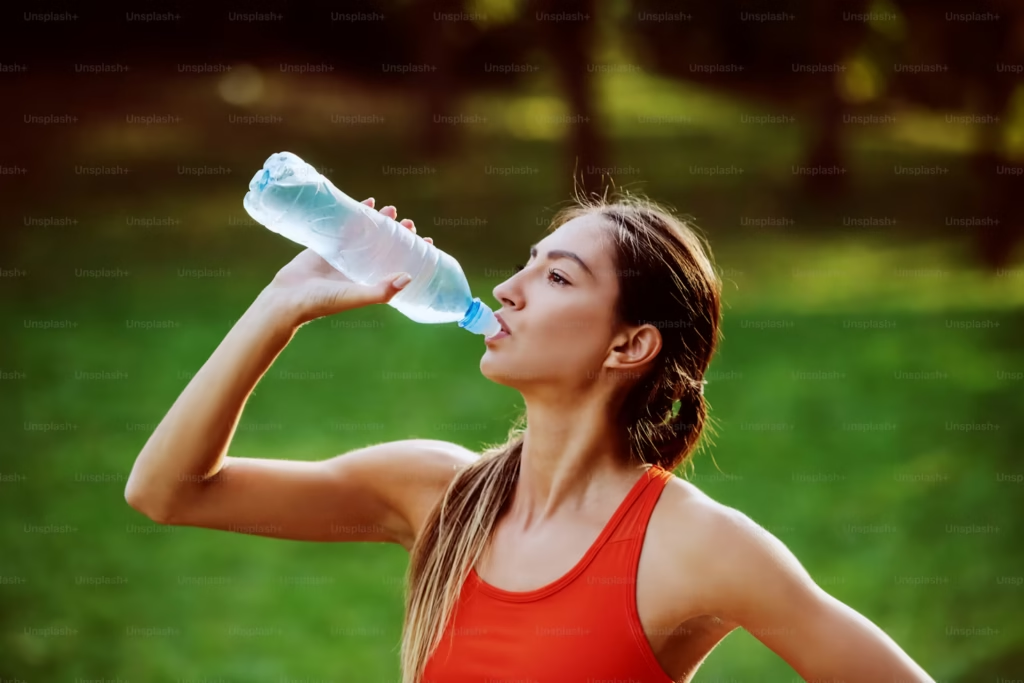
Water rich fruits are very important at Suhoor. Watermelon, cucumber, and oranges help maintain skin hydration during fasting. These hydrating foods support skin moisture and prevent dry skin during Ramadan. Coconut water is a great natural drink for glowing skin. It helps balance electrolytes and improves skin hydration levels. This reduces dull complexion and keeps your skin fresh for long hours.
Soaked chia seeds are excellent for skin elasticity and hydration. They contain omega 3 fatty acids that support the skin barrier. Adding them to yogurt or smoothies helps prevent dehydration while fasting. Yogurt is also helpful for maintaining healthy skin. It contains probiotics that improve gut health and skin clarity. A healthy gut supports glowing skin during Ramadan fasting.
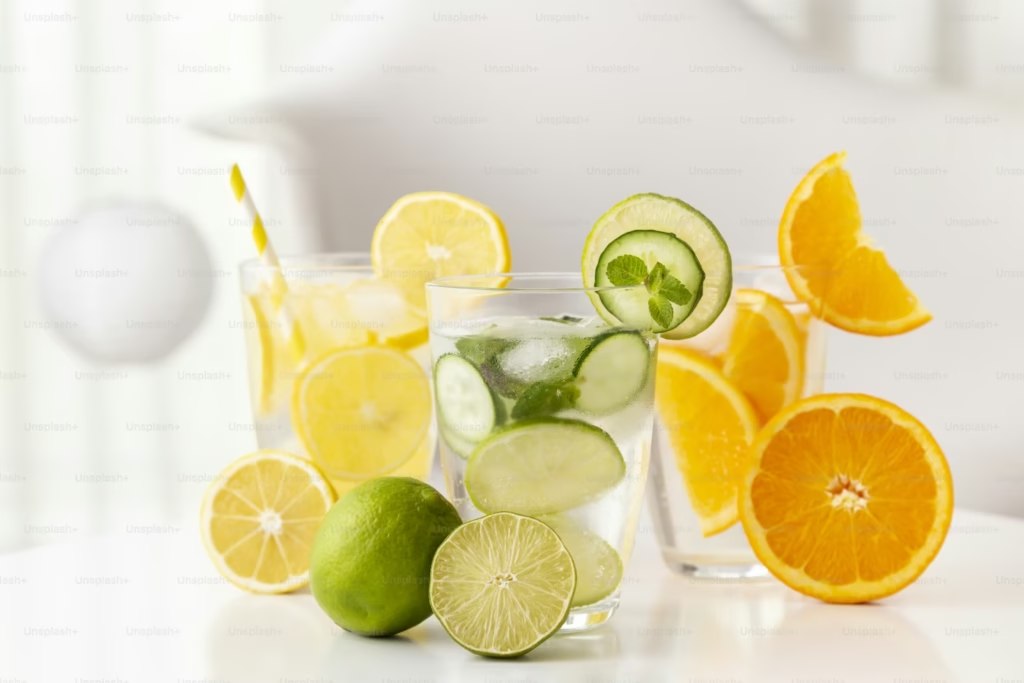
Drinking infused water with lemon or mint is a smart choice. It boosts hydration and supports detox for clearer skin. Proper hydration during Suhoor helps reduce dryness and flaky skin.
Protein Rich Foods to Support Collagen Production
Protein is very important for collagen production and skin repair.
During fasting, the skin may lose firmness and elasticity.
Eating enough protein at Suhoor helps maintain skin structure.
Eggs are one of the best collagen boosting foods. They contain amino acids that support skin renewal. They also help improve skin elasticity and firmness. Greek yogurt is rich in protein and probiotics. It supports gut health, which improves skin glow naturally. Healthy digestion helps reduce acne and dull skin.
Lentils and chickpeas are great plant based protein sources.
They provide zinc and iron for clear and healthy skin. These nutrients help prevent breakouts during Ramadan. Lean chicken and fish help with skin regeneration. They support collagen formation and anti aging benefits. Adding protein at Suhoor keeps your skin strong and radiant.
Healthy Fats for a Supple & Dewy Complexion
Healthy fats are very important for soft and glowing skin. They help strengthen the skin barrier and prevent moisture loss. During fasting, healthy fats keep your skin smooth and supple.
Avocado is rich in omega 3 fatty acids and vitamin E. It supports skin elasticity and improves natural glow. Eating avocado at Suhoor helps prevent dry and flaky skin. Nuts and seeds like almonds, walnuts, and chia seeds are great for skin moisture. They boost collagen production and reduce inflammation. These skin-friendly foods help maintain firmness and elasticity.
Olive oil is another powerful source of healthy fats. It protects the skin barrier and supports deep hydration. Adding olive oil to salads at Iftar promotes radiant skin. Omega 3 rich foods like salmon and flaxseeds improve skin texture. They reduce redness and support anti aging benefits. Including them in your Ramadan diet helps maintain a dewy complexion.
Antioxidant Rich Foods for Natural Glow
Antioxidant rich foods help protect the skin from free radical damage. During Iftar, they repair dull and tired skin after long fasting hours. These glow boosting foods support skin health and natural radiance.
Dates are a powerful Ramadan superfood for skin energy and repair. They contain natural sugars, minerals, and skin friendly nutrients. Eating dates at Iftar helps improve skin glow and reduce fatigue. Berries like strawberries and blueberries are full of vitamin C. Vitamin C supports collagen production and improves skin brightness. These brightening foods help reduce pigmentation and uneven skin tone.
Leafy greens such as spinach and kale support skin detox naturally. They are rich in antioxidants and iron for better blood circulation. Improved circulation gives a fresh and healthy complexion. Pomegranate is known for anti aging and skin renewal benefits. It helps protect collagen and improve skin elasticity during fasting. Adding it to your Iftar meal supports glowing and youthful skin.
Skin Friendly Drinks for Evening Rehydration
After a long fast, your skin needs deep hydration support. Start Iftar with water and lemon to refresh your body. Proper hydration after fasting helps restore skin glow and moisture balance.
Coconut water is great for electrolyte balance and skin hydration. It helps reduce dull complexion caused by dehydration. This natural drink supports healthy, plump, and radiant skin. Fresh fruit smoothies with berries and yogurt are rich in antioxidants. They improve collagen support and brighten tired skin. These glowing skin beverages also help repair skin cells.
Herbal teas like chamomile or green tea calm the body and skin. They reduce inflammation and support clear complexion. Antioxidant drinks help protect skin barrier health. Avoid sugary sodas and artificial juices at Iftar. Too much sugar can cause acne breakouts and skin aging. Choosing healthy Ramadan drinks keeps your skin fresh and glowing.
Vitamins & Nutrients for Radiant Ramadan Skin
Vitamin C is very important for glowing skin. It helps in collagen production and improves skin brightness. You can get it from oranges, strawberries, and bell peppers.
Vitamin A supports skin renewal and smooth texture. It helps reduce dryness and keeps skin cells healthy. Carrots, sweet potatoes, and spinach are good sources. Vitamin E protects the skin barrier from damage. It works as an antioxidant and supports skin repair. Nuts, seeds, and sunflower oil contain this nutrient.
Zinc helps control acne and reduces inflammation. It supports wound healing and balanced oil production. You can find zinc in chickpeas, lentils, and pumpkin seeds. Omega 3 fatty acids improve skin elasticity and hydration. They help reduce redness and keep skin soft. Add walnuts, flaxseeds, and fatty fish to your Iftar meal.
What to Avoid at Suhoor & Iftar to Prevent Dull Skin
Fried foods can make your skin look oily and tired. They increase inflammation and can damage your natural skin glow. Limiting greasy meals helps prevent acne breakouts during Ramadan.
Sugary desserts may cause sudden blood sugar spikes. Too much sugar can reduce collagen production and speed up skin aging. This often leads to dull skin and loss of elasticity. Excess caffeine can dehydrate your body and skin. Drinking too much coffee or tea may worsen dry skin during fasting. Try balancing caffeine with enough water for better skin hydration.
Processed snacks contain salt and preservatives. These inflammatory foods can trigger puffiness and skin irritation. Choosing fresh and whole foods supports clear and glowing skin.
Conclusion
Eating the right foods at Suhoor and Iftar is key for glowing skin during Ramadan. Hydrating fruits, protein rich meals, healthy fats, and antioxidant packed foods maintain moisture, collagen, and skin radiance. Avoiding fried, sugary, and processed foods helps prevent dullness and breakouts. Pairing nutrition with proper hydration and consistent skincare ensures your skin stays supple and bright throughout fasting. By following a balanced diet and mindful food choices, you can achieve natural, healthy, and glowing skin this Ramadan.
FAQs
What is the best fruit to eat at Suhoor for glowing skin?
Watermelon, oranges, and cucumber are excellent for hydration and skin glow.
Are dates good for skin during Ramadan?
Yes, dates provide antioxidants, natural sugars, and minerals that support radiant skin.
How much water should I drink between Iftar and Suhoor?
Aim for 6–8 glasses, spaced evenly, to maintain hydration and prevent dry skin.
Which foods should I avoid to prevent acne during fasting?
Avoid fried, sugary, and processed foods as they can cause breakouts and dull skin.
Can protein rich foods improve skin elasticity?
Yes, eggs, yogurt, and lean meats help repair skin cells and support collagen for firm, glowing skin.




Leave a Reply