
Arabian traditional clothing is a blend of culture, modesty, and elegance. During Ramadan, these outfits are chosen for comfort during fasting and evening gatherings. Modern designs now combine classic styles with chic, fashionable touches for every occasion.
Abayas, kaftans, and jalabiyas are staples of Arabic women’s wardrobe. They offer modest coverage while allowing freedom of movement. These outfits also reflect heritage, making them meaningful during the holy month.
Men’s traditional clothing, like the thobe, provides comfort in warm weather. Lightweight fabrics and simple designs keep them stylish and practical. Ramadan is the perfect time to embrace these timeless pieces.
History of Arabian Fashion: From Mesopotamia to Modern Times
Arabian traditional clothing has deep roots in Middle Eastern culture, dating back to ancient Mesopotamia. Early garments were designed for comfort in hot climates and to reflect social status. Over time, modesty became a key principle in Islamic clothing.
The Abaya, Jalabiya, and Kaftan evolved through centuries, combining elegance with cultural identity. Fabrics like silk, cotton, and linen were commonly used for their breathability and durability. Embroidery and patterns added a unique touch to each garment.
Modern Arabian fashion keeps traditional designs alive while adding contemporary styles. Designers now use flowing silhouettes, vibrant colors, and decorative stitching for Ramadan and festive events. This blend of heritage and modern trends makes Ramadan clothing both modest and stylish.
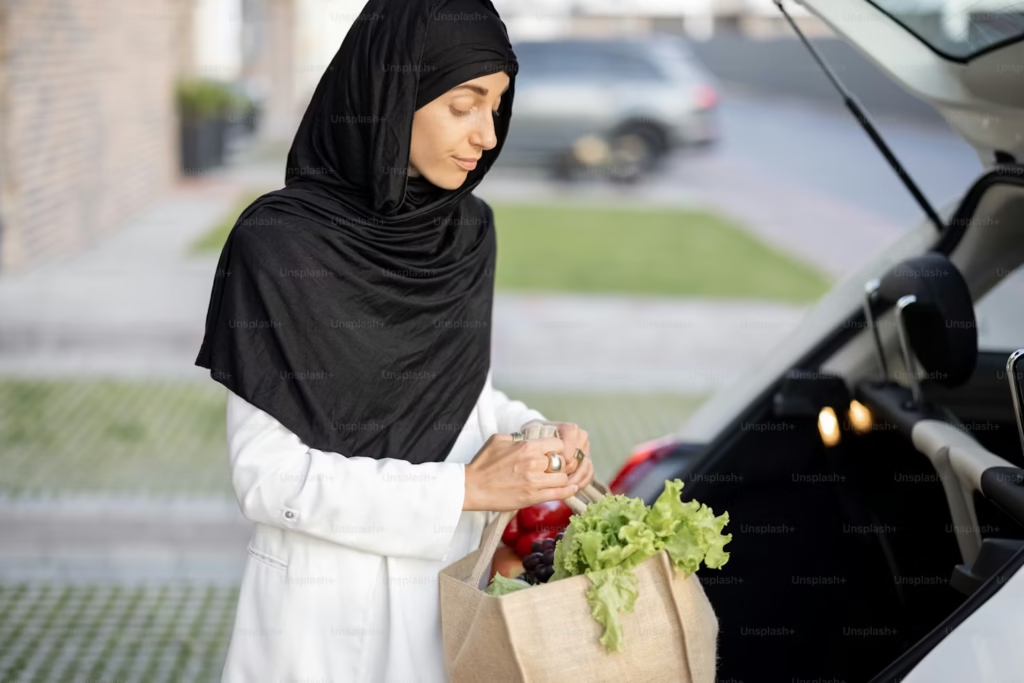
Must Have Arabian Attire for Women During Ramadan
Abaya Styles for Ramadan
Abayas are long, loose robes that provide modesty and comfort during fasting. Modern abayas come with embroidery, prints, or subtle embellishments. They are perfect for both mosque visits and evening Iftar gatherings.
Kaftans & Jalabiya
Kaftans and Jalabiya are flowy, elegant dresses that suit festive Ramadan evenings. Lightweight fabrics like chiffon or georgette keep you cool while looking stylish. These outfits can be paired with simple jewelry for a classy touch.
Hijab, Khimar, and Shayla Options
Coverings like Hijab, Khimar, and Shayla complete the modest look for Ramadan. Choose soft, breathable fabrics to stay comfortable while fasting. These can be styled in different ways to match abayas and kaftans.
Niqab and Chador for Full Coverage
Niqab and Chador offer full coverage for women who prefer extra modesty. They are traditional yet practical for religious occasions and mosque prayers. Pair them with lightweight abayas to avoid overheating.
Accessories to Elevate Traditional Outfits
Simple accessories like belts, brooches, or delicate bracelets enhance your Arabian attire. Matching sandals or shoes add elegance without compromising comfort. Light makeup complements the modest and chic Ramadan look.
Traditional Pieces for Men During Ramadan
Thobe Dishdasha for Comfort and Style
The thobe is a long, loose fitting garment perfect for hot Ramadan days. It keeps men cool while observing fasts. Light fabrics like cotton and linen are ideal for daily wear.
Modern Embroidered Thobes for Festive Occasions
For Iftar or Eid, men often wear embroidered or patterned thobes. These add elegance while keeping the traditional look. Subtle colors like beige, navy, or white are popular choices.
Accessories to Complete the Traditional Look
Pair your thobe with classic sandals or leather shoes for comfort and style. Caps or kufis add a refined touch. Minimal accessories keep the outfit modest and appropriate for Ramadan gatherings.
Popular Fabrics and Colors for Ramadan 2026
Choosing the right fabric is key for comfort during Ramadan. Lightweight materials like cotton, chiffon, and georgette keep you cool in hot weather. These fabrics are perfect for long prayers and evening Iftar gatherings.
For special occasions, velvet, silk, and satin add a luxurious touch. They are ideal for Eid celebrations or formal Iftar dinners. These fabrics drape beautifully and make traditional dresses look elegant.
Colors play an important role in Ramadan fashion. Jewel tones like emerald, ruby, and sapphire add richness, while pastels and neutrals bring subtle elegance. Combining colors with patterns or embroidery enhances the festive look.
Styling Tips: Layering and Accessorizing Traditional Clothing
Layering your abaya or kaftan adds elegance while keeping modesty intact. Use a light inner dress or slip to create smooth lines. This ensures comfort and style during long Ramadan evenings.
Scarves, belts, and sashes can elevate simple outfits instantly. A silk or chiffon scarf adds color and texture to neutral-toned abayas. Belts can define the waist while maintaining the traditional flow of the dress.
Jewelry and shoes complete your Ramadan look. Simple gold or pearl earrings enhance festive kaftans without being too flashy. Pair with comfortable sandals or closed shoes for both style and practicality during prayers and gatherings.
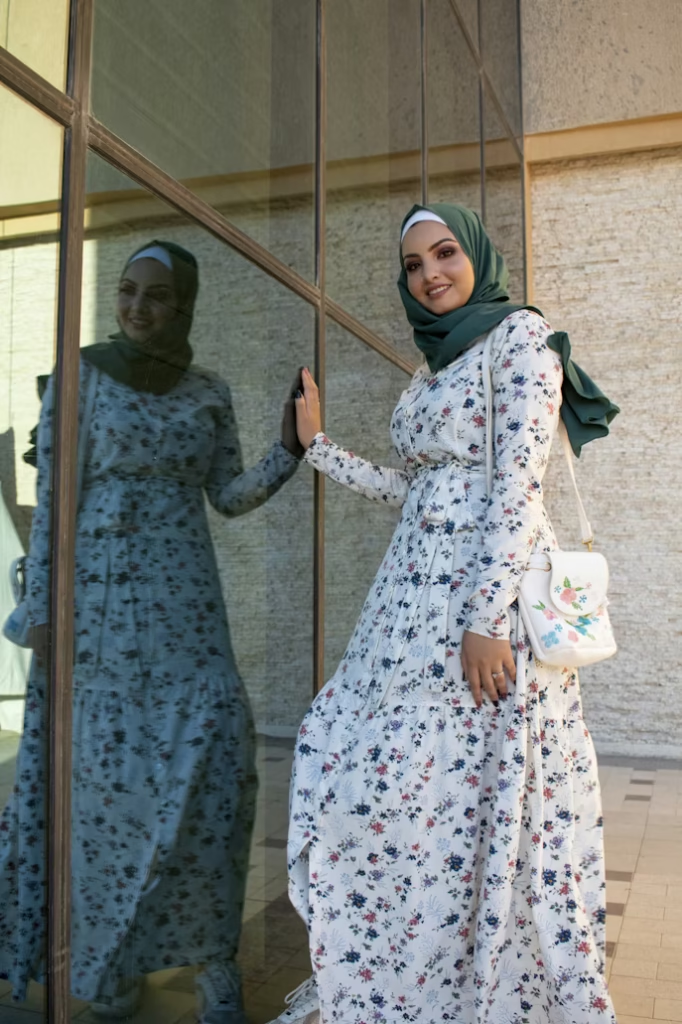
Modern Trends in Arabian Ramadan Fashion
Arabian fashion during Ramadan 2026 is embracing modern touches while keeping traditional modesty. Designer abayas now feature elegant embroidery, statement sleeves, and subtle patterns. These updates make classic garments stylish yet appropriate for festive evenings.
Farasha kaftans are gaining popularity, often inspired by Moroccan or Middle Eastern designs. Soft fabrics like georgette, chiffon, and satin are paired with delicate embellishments. These styles are perfect for family Iftar dinners or community gatherings.
Minimalist and modest everyday chic is trending for young women this Ramadan. Simple kaftans, plain abayas, and pastel hijabs are easy to wear and comfortable. These versatile outfits can be dressed up or down depending on the occasion.
Shopping Tips for Authentic Arabian Attire
When buying Arabian clothing, quality matters more than quantity. Check the fabric carefully for softness and breathability, especially for Ramadan evenings. Choose natural fabrics like cotton, silk, or georgette for comfort while fasting.
Look at the stitching and embroidery details before buying. Authentic abayas and kaftans often have fine patterns that last longer. Avoid cheap or synthetic fabrics that can irritate the skin in hot weather.
Consider online shopping for wider options, but read reviews first. Check size charts and return policies to avoid mistakes. Seasonal sales and Ramadan discounts can help you get designer pieces at affordable prices.
Shopping Tips for Authentic Arabian Attire
When buying Arabian clothing, quality matters more than quantity. Check the fabric carefully for softness and breathability, especially for Ramadan evenings. Choose natural fabrics like cotton, silk, or georgette for comfort while fasting.
Look at the stitching and embroidery details before buying. Authentic abayas and kaftans often have fine patterns that last longer. Avoid cheap or synthetic fabrics that can irritate the skin in hot weather.
Consider online shopping for wider options, but read reviews first. Check size charts and return policies to avoid mistakes. Seasonal sales and Ramadan discounts can help you get designer pieces at affordable prices.
Dressing for Family Iftar Dinners
Family Iftar is a time to feel comfortable and stylish. Opt for lightweight kaftans or embroidered abayas. Soft fabrics and pastel colors keep your look modest yet elegant.
Mosque Visits: Modest and Comfortable
During prayers, comfort and coverage are key. Choose long abayas, jilbabs, or simple maxi dresses. Pair them with a matching hijab or khimar for modesty and ease.
Community Iftar Gatherings
For social gatherings, pick outfits with subtle embellishments or printed kaftans. Layer with a light shawl for elegance. Comfortable sandals or flats complete your look for long evenings.
Eid Celebrations and Festive Events
Festive occasions call for bold colors and rich fabrics. Velvet or silk kaftans with embroidery are perfect. Accessorize with jewelry and a stylish handbag to enhance the Ramadan glow.
Tips for Mixing Tradition with Modern Style
Combine classic pieces like abayas with modern cuts or belts. Light layering adds sophistication without compromising modesty. Neutral tones and jewel shades are versatile for multiple events.
Conclusion
Arabian traditional clothing for Ramadan blends modesty, comfort, and style. Abayas, kaftans, and jilbabs offer versatile options for family dinners, mosque visits, and festive events. Choosing breathable fabrics and elegant accessories enhances your appearance while staying culturally respectful. Whether for women or men, these traditional garments ensure you look graceful throughout Ramadan. Pair your outfits with subtle jewelry, soft colors, and comfortable footwear to enjoy a stylish and confident celebration.
FAQ
What is the most popular Arabian outfit for Ramadan?
Abayas and kaftans are the most common, offering modesty and elegance.
Can I wear modern designs while observing Ramadan traditions?
Yes, contemporary cuts and subtle embroidery enhance style while maintaining modesty.
Which fabrics are best for Ramadan clothing?
Cotton, silk, chiffon, and georgette are breathable, comfortable, and perfect for fasting hours.
How should I accessorize traditional Arabic outfits?
Use delicate jewelry, matching scarves, or clutch bags for a polished look.
What should men wear for Ramadan gatherings?
Lightweight thobes, dishdashas, or kurta-pajama sets with simple sandals work best.





Leave a Reply