
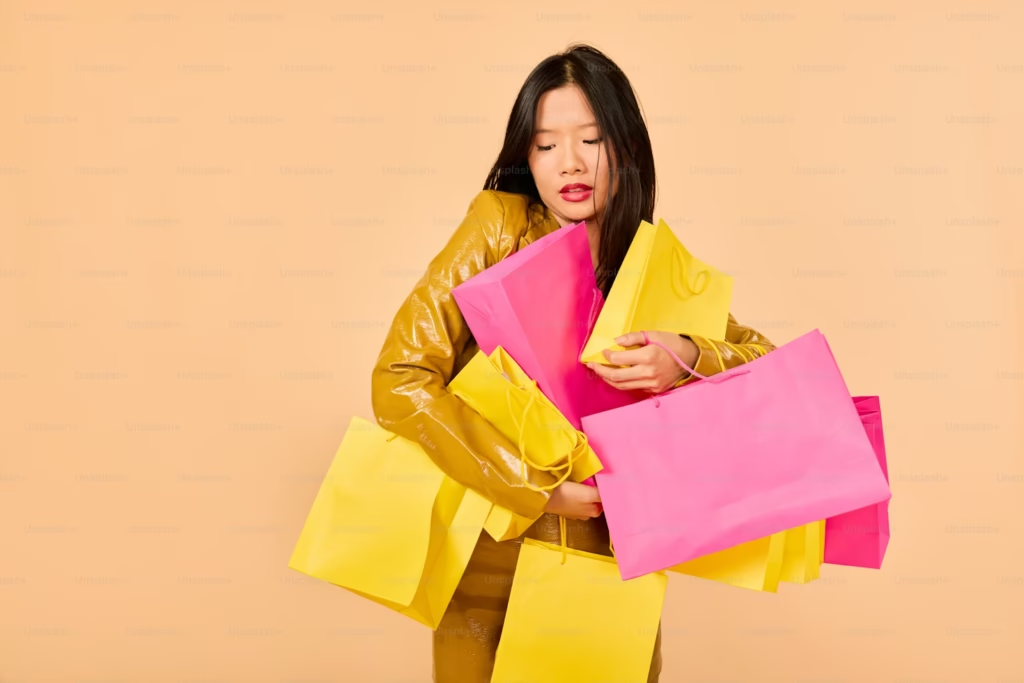
Color psychology shows that our color choices are connected to our personality traits. The psychology of favorite color explains how shades reflect emotions and behavior. Even simple color preferences can reveal deeper personality insights.
Colors are not just beautiful to see, they also influence mood and emotional impact. Research in behavioral psychology says colors can shape perception and identity. This means the colors we like may affect how we think and act.
Many studies on personality traits and colors suggest that shades can reflect motivation levels and work ethic. Warm and cool tones create different emotional responses. Understanding color meaning helps us better understand ourselves and others.
What Is Color Psychology?
Color psychology is the study of how colors affect our feelings, thoughts, and behavior. It explains the emotional impact of colors on our daily decisions and reactions. Many experts believe color meaning is connected to human personality and mood.
This field looks at how different shades influence the brain and emotions. The psychology of favorite color suggests that our choices reflect our inner traits. Researchers study how personality traits and colors are linked together.
Color psychology has been used in marketing, branding, and design for many years. Companies use color meaning to shape perception and build trust with customers. This shows how color can influence behavior and motivation levels.
Modern research explores whether colors only reflect personality or also shape it. Studies in behavioral psychology suggest colors can affect focus and confidence. This is why understanding color psychology helps us know ourselves better.
The Science Behind Color Preferences and Personality Traits
Research in behavioral psychology shows that color preferences are linked to personality traits. Scientists study how different shades connect with emotional responses and motivation levels. This helps explain the psychology of favorite color choices.
Many studies suggest that personality traits and colors have strong connections. For example, people who like bold colors often show confidence and high energy. Calm color lovers may prefer peace, balance, and emotional stability.
Color meaning can also influence our daily behavior and decision-making. Bright tones may increase focus and productivity in some people. Soft shades can reduce stress and support emotional balance.
Experts also study how color and mood affect work ethic and performance. Warm colors may boost motivation levels and action-driven behavior. Cool colors are often linked with deep thinking and concentration.
Some researchers believe colors do not just reflect personality but can shape it. The emotional impact of colors may slowly influence habits and self-image. That is why color psychology is important in understanding human behavior.
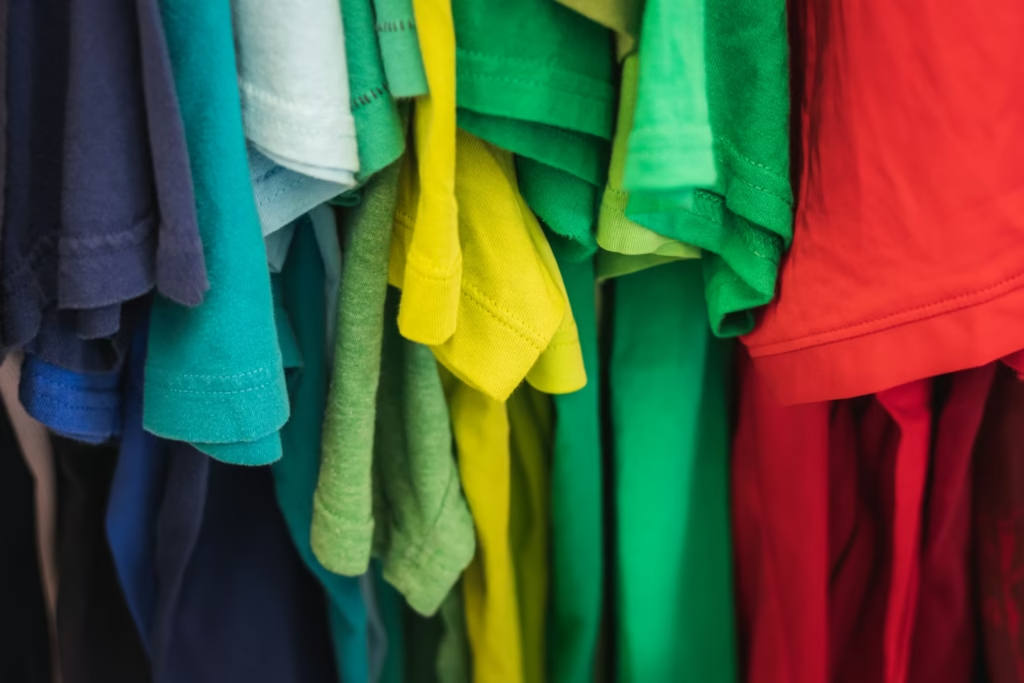
What Your Favorite Color Says About You
Red Personality Traits
People who love red usually have strong and bold personalities. Red color meaning is linked with passion, energy, and leadership. This personality trait shows confidence, ambition, and high motivation levels. Red lovers often enjoy challenges and fast action. They like attention and are not afraid to express emotions. In color psychology, red reflects power and strong work ethic.
Blue Personality Traits
Blue personality types are calm and emotionally balanced. The psychology of favorite color blue shows trust and loyalty. They value deep relationships and peaceful environments. People who prefer blue often think before acting. They are reliable, honest, and supportive friends. Blue color meaning connects with stability and emotional depth.
Green Personality Traits
Green lovers seek harmony and personal growth. In personality traits and colors research, green shows balance. They care about nature, health, and emotional stability. This color personality type is patient and kind. They avoid drama and prefer peaceful solutions. Green color meaning represents renewal, healing, and security.
Yellow Personality Traits
Yellow personality types are cheerful and creative. The emotional impact of colors shows yellow brings happiness. They love fun ideas and social interaction. People who like yellow think positively most of the time. They enjoy learning and sharing new experiences. Yellow color meaning is linked with optimism and imagination.
Purple Personality Traits
Purple lovers are imaginative and unique. Symbolic color meanings connect purple with luxury and wisdom. They often think deeply and value creativity. This personality color indicator shows spiritual awareness. They enjoy art, beauty, and emotional expression. Purple color meaning reflects intuition and originality.
Black Personality Traits
Black personality types value independence and control. In color psychology research, black shows strength and elegance. They prefer privacy and strong personal boundaries. People who love black are often serious and determined. They focus on goals and respect discipline. Black color meaning represents authority and sophistication.
White Personality Traits
White lovers prefer simplicity and clarity. The psychology of favorite color white shows purity and peace. They enjoy organized spaces and fresh beginnings. This color personality reflects honesty and perfection. They like clean design and minimal style. White color meaning connects with balance and openness.
Warm vs Cool Colors: What They Reveal About Your Emotional Style
Warm colors like red, orange, and yellow are linked with energy and action. People who love these shades often have bold personality traits and strong motivation levels. In color psychology, warm tones show confidence, passion, and expressive emotional style. Cool colors such as blue, green, and purple are connected to calm and balance. These shades reflect peaceful behavior, emotional stability, and thoughtful decision-making. Personality traits and colors research shows cool color lovers value trust and harmony.
Warm color personalities usually enjoy leadership, excitement, and social attention. They often perform well in active environments that need creativity and quick focus. This emotional impact of colors can shape productivity and workplace performance. Cool color personalities prefer quiet spaces and deep thinking. They focus on long-term goals and strong relationships instead of fast results. Behavioral psychology suggests cool tones support mental clarity and stress relief.
Choosing between warm and cool shades also affects self-expression and fashion choices. Outfit color meaning can reflect your inner mood and personal branding style. Understanding your color preference helps you grow emotionally and socially.
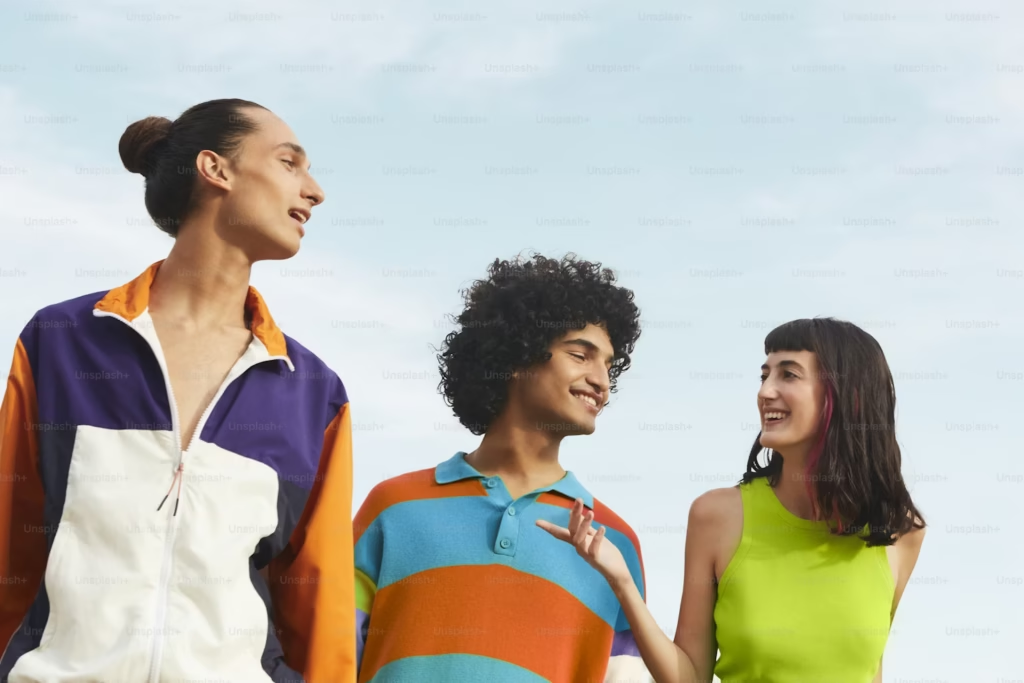
Color Personality Types Explained
Color personality types help us understand how different shades connect with behavior and emotional style. A color personality test groups people based on their color preferences and personality traits. This personality color indicator is used for self awareness, teamwork, and personal growth. People with a Red personality are action oriented and confident in decision making. They are ambitious, competitive, and motivated by achievement and success. Their strong energy often shows leadership skills and high motivation levels.
Blue personality types value relationships, trust, and emotional connection. They are loyal, caring, and focused on harmony in personal and work life. This true color personality reflects empathy, stability, and strong communication. Yellow personality types are creative thinkers who love new ideas and excitement. They enjoy freedom, innovation, and positive social interaction. Their color meaning connects with optimism, creativity, and expressive behavior.
Green personality types are analytical and practical in their approach. They prefer logic, structure, and balanced decision making. This color preference shows emotional control, focus, and intellectual strength. Understanding your personality traits and colors can improve teamwork and communication. Color psychology suggests that awareness of your dominant shade builds confidence. A simple color personality test can reveal hidden strengths and growth areas.
How Color Influences Focus, Productivity & Performance
Colors play an important role in workplace productivity and mental focus. Studies in color psychology show that different shades affect concentration and energy levels. The right color environment can improve performance and daily motivation. Blue is linked with calm thinking and better psychological focus. Many offices use blue tones to support concentration and reduce stress. This color is helpful for tasks that need logic and deep thinking.
Green supports balance, creativity, and emotional stability at work. It is known to reduce eye strain and improve long working hours. Green spaces also increase productivity and positive mood. Red increases energy, alertness, and action oriented behavior. It can boost motivation levels during competitive or physical tasks. However, too much red may cause pressure or mental stress.
Yellow encourages creative thinking and fresh ideas. It is often used in brainstorming spaces and innovation rooms. Soft yellow tones can support optimism and workplace performance. Neutral colors like white and gray create a clean workspace feeling. They support clarity, organization, and simple design structure. Balanced color combinations help maintain emotional balance and efficiency.
Can Color Be Used as Therapy?
Color therapy, also called chromotherapy, is used to support emotional healing and mental wellness. Experts believe different shades create different emotional responses in the brain. This idea connects color psychology with mood improvement and emotional balance. Calming colors like blue and green are often linked with stress relief and relaxation. These shades may lower anxiety and create a peaceful environment at home or work. Many people use soft tones in bedrooms to improve sleep quality and inner calm.
Warm colors like yellow and orange can boost positive energy and motivation levels. They are connected with happiness, creativity, and mental stimulation. Using these colors in small amounts may improve productivity and focus. Some therapists use color visualization techniques for emotional support. This method helps people imagine healing colors to reduce negative feelings. It is believed to improve self-awareness and psychological well-being.
Research on color therapy benefits is still growing in modern psychology. Some studies show colors can influence mood, behavior, and perception. However, experts say more scientific evidence is needed for strong conclusions. Even without full proof, many people use color for personal growth and happiness. Choosing the right shades can support confidence and emotional strength. Understanding color and personality helps create a balanced lifestyle.
Color Choices in Fashion & Self Expression
Your fashion color choices say a lot about your personality and emotional style. Fashion color psychology explains how shades reflect confidence, mood, and identity. The colors you wear daily become part of your personal branding. If you love bold colors like red or orange, you may have a strong and energetic personality. These warm tones show leadership, passion, and high motivation levels. They are often linked with action oriented and confident individuals.
People who prefer blue or green outfits usually value calmness and balance. Cool colors are connected with trust, harmony, and emotional stability. This personality dressing style reflects peace and thoughtful behavior. Wearing black often shows power, independence, and sophistication.
White outfits represent simplicity, clarity, and a fresh mindset. These neutral shades support a clean and confident self expression.
Your lip color and wardrobe psychology also influence how others see you. Bright lipstick shades show creativity and bold self image. Soft nude tones reflect elegance and emotional control. Mix and match outfit colors carefully to express your true identity. Color combinations can improve confidence and highlight your strengths. Understanding outfit color meaning helps you dress with purpose and self awareness.
Conclusion
Color choices show your personality in many simple but powerful ways. Your favorite shades reflect your emotional style, motivation, and inner mindset. Color psychology helps us understand how different colors influence mood, confidence, and behavior. While personality is complex, color preferences offer helpful insights about who we are. By understanding the meaning behind colors, you can improve self-awareness, boost confidence, and express yourself more clearly in fashion, work, and daily life.
FAQ
1.How do I find my true favorite color?
Notice which colors make you feel happy, calm, or confident. Your emotional reaction gives the answer.
2. Why do people prefer different colors?
Color preference is influenced by personality, culture, memories, and experiences.
3. Is there a most popular color worldwide?
Blue is often considered the most popular color in many countries.
4. Can colors reduce stress?
Yes, soft blue and green shades are commonly linked to emotional calm and stress relief.
5. Can my favorite color change over time?
Yes, color choices may change based on age, mood, life experiences, and personal growth


Leave a Reply