
Maintaining skin elasticity while fasting is essential for a youthful and healthy appearance. Fasting can affect hydration, collagen production, and skin firmness. Proper care helps prevent sagging, fine lines, and dullness.
Changes in diet, water intake, and sleep during fasting impact skin structure. Lack of nutrients and dehydration can reduce elastin and collagen. This may make your skin look tired and less resilient.
This guide will show practical ways to protect and improve skin elasticity. It covers skincare routines, hydrating ingredients, diet tips, and lifestyle habits. Following these steps helps your skin stay firm and glowing.
Understanding Skin Elasticity and Its Science
Skin elasticity is the ability of your skin to stretch and return to its original shape. It mainly depends on collagen and elastin fibers in the dermis. Healthy skin elasticity keeps your face firm and youthful looking.
Collagen provides structure while elastin allows flexibility. As we age or fast for long hours, production of these proteins may reduce. This can cause sagging, fine lines, and loss of skin firmness.
Hydration and nutrients also play a vital role in skin elasticity. Dehydrated skin loses its bounce and appears dull. Proper care, diet, and skincare help maintain natural firmness and resilience.
How Fasting Impacts Your Skin’s Structure
During fasting, limited water intake can reduce skin hydration. Dehydrated skin loses firmness and may appear dry or tight. Maintaining hydration between Iftar and Suhoor is essential for elasticity.
Hormonal changes during fasting can affect oil production. Some people may experience dryness, while others notice breakouts. Balancing sebum and moisture helps keep the skin smooth and supple.
Nutrient intake also changes while fasting. Reduced vitamins, minerals, and protein can affect collagen and elastin production. Eating skin friendly foods supports structural strength and overall skin health.
Common Skin Elasticity Problems While Fasting
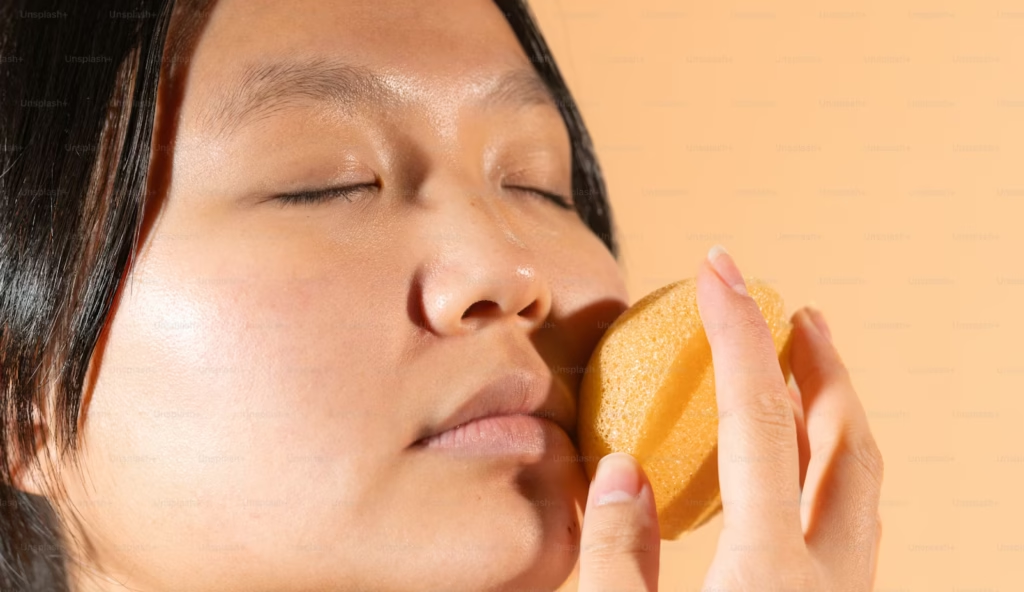
During fasting, skin may start losing firmness due to dehydration. Dryness can make fine lines and sagging more noticeable. This is especially visible around cheeks and jawline.
Hormonal changes during fasting can affect collagen and elastin production. Reduced collagen weakens skin structure and elasticity. Over time, this may lead to looser, tired looking skin.
Fatigue and lack of sleep during fasting can worsen dullness. Tired skin loses its natural bounce and radiance. Consistent rest and care are essential to maintain firmness.
Morning Skincare Routine for Firm and Elastic Skin
Start your morning routine with a gentle cleanser. It removes dirt and sweat without stripping natural oils. This helps maintain the skin’s moisture and elasticity.
Apply a hydrating serum containing hyaluronic acid or peptides. These ingredients boost collagen production and improve skin firmness. Serums penetrate deeply to support elasticity from within.
Finish with a lightweight moisturizer and broad-spectrum sunscreen. Moisturizer locks in hydration while sunscreen protects against UV damage. Daily sun protection prevents premature sagging and fine lines.
Evening Skincare Routine After Fasting
After Iftar, start with double cleansing to remove sweat, makeup, and impurities. This prevents clogged pores and breakouts. A clean base helps your skin absorb nourishing products better.
Apply a nourishing serum containing peptides or hyaluronic acid. These ingredients support collagen and elastin production. They help your skin stay firm and maintain elasticity.
Finish with a rich moisturizer or overnight mask. Ceramides and natural oils restore the skin barrier while you sleep. This routine keeps your skin hydrated, smooth, and glowing by morning.
Essential Ingredients for Skin Elasticity During Fasting
Hyaluronic acid is a top ingredient for skin elasticity. It holds water in the skin and keeps it plump. Using it regularly prevents dryness and sagging.
Peptides help stimulate collagen and elastin production. They strengthen the skin and improve firmness. This keeps the skin tight and youthful looking.
Ceramides and panthenol repair the skin barrier. They lock in moisture and protect against damage. Healthy skin barrier supports long-lasting elasticity. Antioxidants like vitamin C and E fight free radicals. They prevent premature aging and improve skin tone. Daily use brightens skin and maintains firmness.
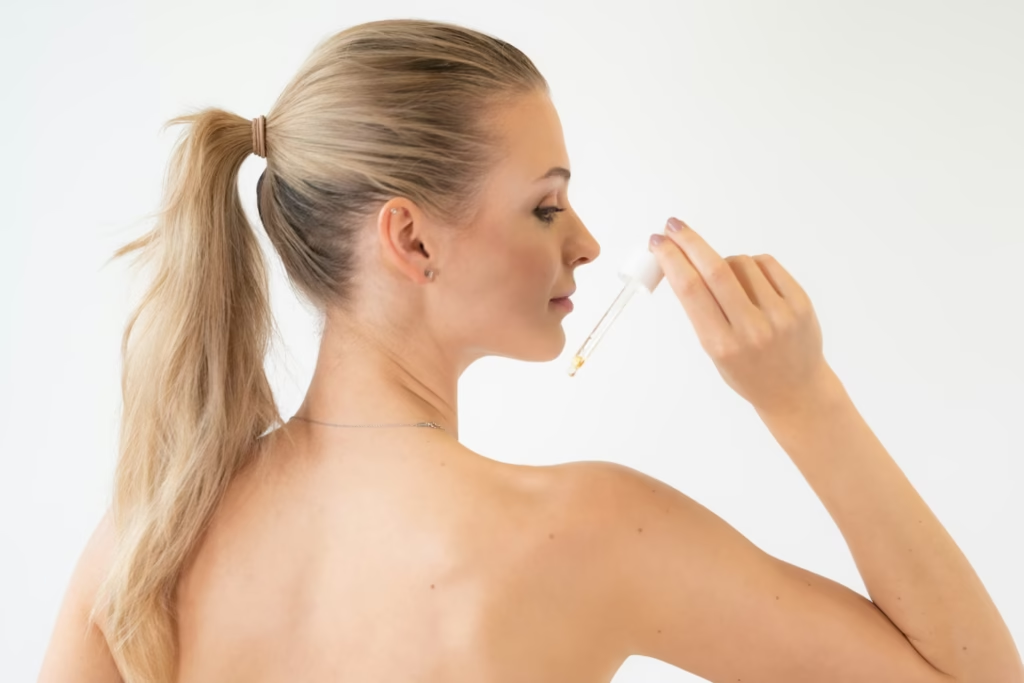
Nourishing oils, such as argan or rosehip oil, provide hydration and nutrients. They reduce fine lines and soften the skin. Oils also improve overall skin resilience.
Diet and Nutrition Tips to Maintain Skin Firmness
Eating enough protein is essential for collagen production. Lean meats, eggs, and legumes help keep skin firm and elastic. Protein supports tissue repair and overall skin health.
Include water rich fruits and vegetables in your diet. Cucumbers, watermelon, and oranges provide hydration and antioxidants. These foods help maintain skin moisture while fasting.
Omega 3 fatty acids from fish, nuts, and seeds improve skin elasticity. They reduce inflammation and support a healthy skin barrier. Healthy fats also prevent dryness and sagging. Vitamin C and zinc rich foods help collagen formation and skin regeneration. Citrus fruits, berries, and pumpkin seeds are great sources. These nutrients strengthen skin structure and boost firmness.
Limit sugary, fried, and processed foods during fasting. Excess sugar can damage collagen and elastin fibers. A balanced diet ensures your skin stays supple and youthful.
Lifestyle Habits for Maintaining Skin Elasticity
Getting enough sleep is essential for skin regeneration. During fasting, aim for six to eight hours of quality rest. Proper sleep helps maintain firmness and reduces fine lines.
Managing stress is important to prevent cortisol related skin damage. Meditation, light exercise, or deep breathing can lower stress levels. Less stress supports collagen production and skin elasticity.
Regular physical activity boosts blood circulation, which nourishes skin cells. Improved circulation delivers oxygen and nutrients to maintain firmness. Even light walks or stretching can help keep skin healthy.
Conclusion
Maintaining skin elasticity while fasting requires balance, hydration, and consistent care. Gentle skincare routines, nourishing serums, and regular moisturization help keep skin firm and youthful. A balanced diet rich in proteins, vitamins, and healthy fats supports collagen and elastin production. Adequate sleep, stress management, and light exercise improve circulation and skin regeneration. Avoid harsh products and over cleansing to prevent damage. By combining proper skincare, nutrition, and lifestyle habits, you can enjoy healthy, elastic, and glowing skin throughout fasting periods.
FAQ
Can fasting improve skin elasticity naturally?
Yes, fasting can reduce inflammation and support skin repair, but hydration and nutrients are essential to maintain elasticity.
How much water should I drink to keep skin firm?
Drink water consistently between Iftar and Suhoor, aiming for at least 6–8 glasses to maintain skin plumpness.
Are collagen supplements helpful while fasting?
Collagen supplements can support skin firmness, especially when taken during non fasting hours with protein rich meals.
Can I use retinol or acids during fasting?
Yes, but reduce frequency and monitor for irritation, as fasting may make skin more sensitive.
What foods best support skin elasticity while fasting?
Lean proteins, omega-3 fats, antioxidant rich fruits, and vegetables help maintain collagen and elastin for firm skin.

Leave a Reply