
Ramadan Skincare Routine for Dry and Dehydrated Skin becomes very important during the fasting month. During long fasting hours, skin hydration levels can drop due to reduced water intake. This often weakens the skin barrier and increases transepidermal water loss.
Many people notice dry skin, dull complexion, and tightness while fasting. Dehydrated skin may also look flaky and feel sensitive. Therefore, a proper hydrating skincare routine is needed to maintain moisture balance.
In this guide, you will learn how fasting affects skin hydration and moisture retention. You will also understand how to protect your skin barrier during Ramadan. Simple skincare steps and nourishing ingredients will be explained clearly.
Why Skin Becomes Dry and Dehydrated During Ramadan
During Ramadan, fasting and skin hydration are closely connected. Because water intake is limited, the body may experience dehydration. This can increase transepidermal water loss and reduce natural moisture.
Moreover, long hours without fluids can weaken the skin barrier function. When the barrier becomes weak, moisture retention becomes difficult. As a result, dryness, tightness, and a dull complexion may appear.
In addition, changes in sleep patterns and diet can affect skin health. Low hydration levels may slow down skin repair and balance. Therefore, dry and dehydrated skin becomes more common during fasting.
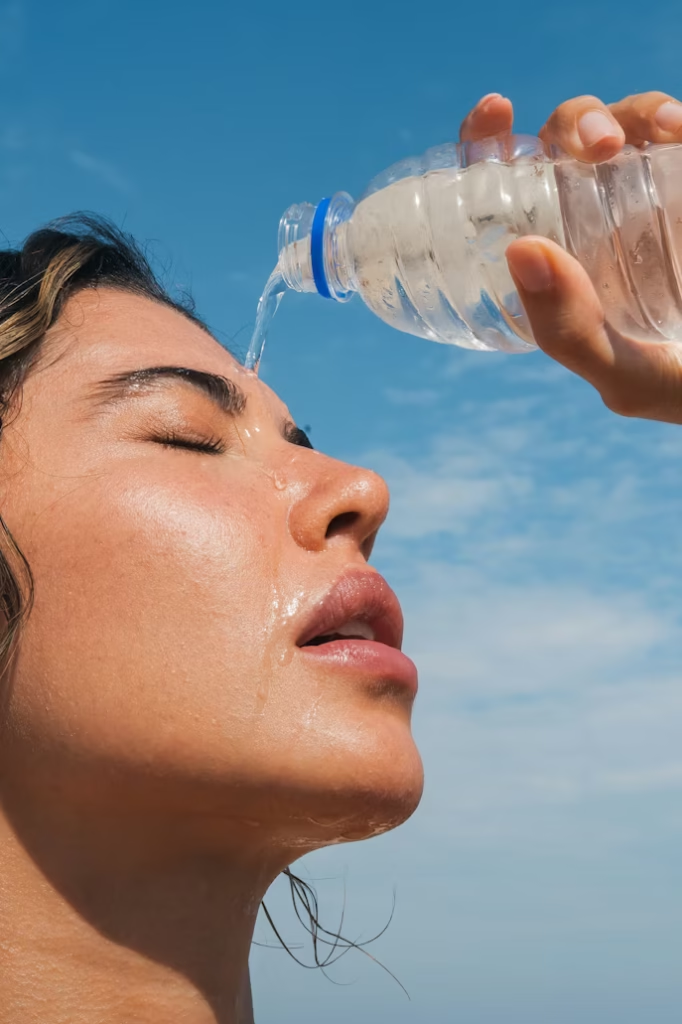
Signs of Dry vs Dehydrated Skin During Fasting
During Ramadan fasting, many people notice tight skin and a rough texture. This usually happens because of low skin hydration levels. Water loss weakens the skin barrier function.
Dry skin is a skin type that lacks natural oil production. It often shows flaky skin, itching, and cracked areas. This condition is linked to low sebum and poor moisture retention. Dehydrated skin is different because it lacks water, not oil. It may look oily but still feel tight and uncomfortable. This is caused by transepidermal water loss during long fasting hours.
A dull complexion is another common sign during Ramadan. Fine lines may look more visible due to water loss in skin. Skin may also appear tired and less plump. Sensitive skin and redness can increase while fasting. This happens when the protective skin barrier becomes weak. As a result, irritation and dryness become more noticeable.
Morning Skincare Routine After Suhoor (Pre Fajr Routine)
After Suhoor, your skin needs hydration and protection.
Because of fasting and limited water intake, moisture loss can increase. Therefore, a simple hydrating skincare routine should be followed. Start with a gentle hydrating cleanser to remove oil and impurities. A sulfate free face wash helps protect the skin barrier function. This step reduces transepidermal water loss during the day.
Next, apply an alcohol free toner or hydrating essence.
Ingredients like glycerin and rose water help balance skin hydration levels. As a result, the skin feels fresh and less tight. After toner, layer a hyaluronic acid serum on damp skin. Hyaluronic acid works as a powerful humectant to attract moisture. This step improves skin plumpness and reduces dull complexion.
Then, use a lightweight moisturizer with ceramides or niacinamide. These ingredients support barrier repair and lock in hydration. Consequently, dry and dehydrated skin stays soft for longer hours. Finally, apply a broad spectrum sunscreen with SPF 30 or higher. Sun protection prevents sun damage and protects sensitive skin. Even during Ramadan, SPF protection should never be skipped.
Daytime Skin Protection Tips While Fasting
During fasting hours, your skin can lose moisture because of reduced water intake. This may weaken the skin barrier function and increase transepidermal water loss. Therefore, moisture retention should be your main skincare goal. First, avoid over cleansing your face during the day. Frequent washing can strip natural oils and damage barrier protection. Instead, keep cleansing minimal and gentle.
Moreover, sun exposure should be limited as much as possible. UV rays can worsen dry skin and cause further dehydration.
A broad spectrum sunscreen should always be applied, even indoors. In addition, minimal makeup is recommended during fasting hours. Heavy foundation can make dehydrated skin look patchy and dull. Lightweight, breathable formulas help maintain skin comfort.
Furthermore, a hydrating facial mist can be used for surface refreshment. It helps support moisture balance without disturbing your routine. However, alcohol free formulas should be chosen for sensitive skin. Lastly, avoid touching your face frequently throughout the day. This habit can transfer bacteria and trigger irritation or breakouts. Keeping your hands away supports healthy, calm skin.
Evening Skincare Routine After Iftar
After a long fasting day, your skin needs deep hydration and barrier repair. Water loss and dryness can weaken the skin barrier function. Therefore, a proper nighttime skincare routine is essential.
Double Cleanse to Remove Impurities
First, remove sunscreen and makeup with a gentle cleansing oil or micellar water. This helps clear dirt, excess oil, and pollution buildup. As a result, pores stay clean without damaging moisture retention. Next, wash your face with a mild hydrating cleanser.
Look for ingredients that support the skin barrier and prevent transepidermal water loss. Avoid harsh foaming cleansers that strip natural oils.
Rehydrate with Serum and Essence
Apply a hydrating toner or essence immediately after cleansing.
This step restores water balance and prepares the skin for better absorption. Ingredients like glycerin and aloe vera improve skin hydration. Then use a hyaluronic acid serum to attract and hold moisture. Hyaluronic acid works as a powerful humectant for dehydrated skin. It helps plump fine lines caused by dryness.
Use Barrier Repair Cream
Choose a moisturizer with ceramides and niacinamide. These ingredients strengthen the skin barrier and reduce sensitivity. They also support overnight skin repair during fasting days. A richer night cream can prevent moisture loss while you sleep. It locks hydration into the skin layers for longer hours. This improves skin elasticity and smooth texture.
Apply an Overnight Hydrating Mask (Optional)
An overnight sleeping mask can boost deep hydration. It provides intensive moisture for very dry and flaky skin. This step is helpful during extreme dehydration in Ramadan. Use this treatment two to three times per week only. Overuse may clog pores or cause breakouts in some skin types. Balance is important for healthy, glowing skin.

Best Hydrating Ingredients for Ramadan Skincare
Hydration Boosters
Hyaluronic acid is great for holding water in the skin. It keeps your face plump and soft during fasting. Glycerin and aloe vera also help to lock in moisture.
Barrier Strengthening Ingredients
Ceramides repair the skin’s protective layer and prevent dryness. Niacinamide calms irritation and boosts hydration. Panthenol soothes sensitive and dehydrated skin naturally.
Ingredients to Limit During Ramadan
Avoid alcohol based toners as they dry out the skin. Strong acids can irritate fasting skin easily. Retinoids may be too harsh and should be used carefully.
Conclusion
Maintaining healthy skin during Ramadan requires consistent hydration and careful skincare. Use gentle cleansers, hydrating serums, and nourishing moisturizers to combat dryness. Protect your skin from sun exposure and include water rich foods in your diet. Avoid harsh products and over exfoliation, focusing on routines that repair and strengthen the skin barrier. With mindful habits, you can achieve a natural, glowing complexion throughout the fasting month.
FAQ
Can fasting make my skin dry?
Yes, reduced water intake and long fasting hours can lead to dehydration, making skin dry and tight.
Is sunscreen necessary during Ramadan?
Yes, even indoors, UV rays through windows can affect skin, so a light SPF is recommended.
How often should I moisturize while fasting?
Apply moisturizer twice daily after Suhoor and after Iftar for maximum hydration.
Which ingredients help dry skin during Ramadan?
Hyaluronic acid, glycerin, aloe vera, ceramides, niacinamide, and panthenol are ideal for hydration and barrier repair.
Can I use masks or exfoliants during Ramadan?
Yes, gentle hydrating masks 2,3 times per week and mild exfoliation once a week can help, but avoid strong acids or harsh treatments.

Leave a Reply